

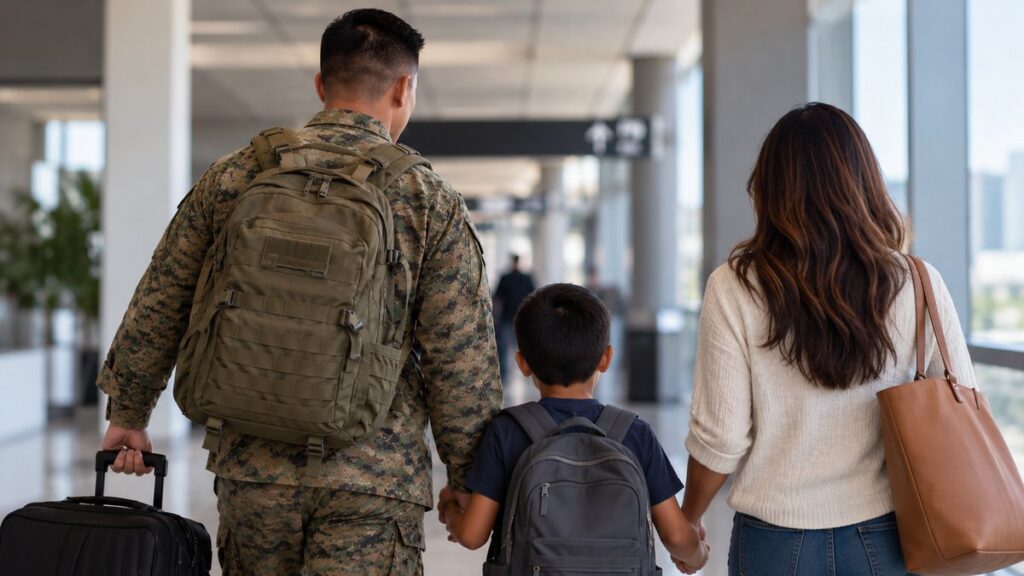
A car accident on the H-1, a fall at a shopping center, or an injury at a privately operated property can create serious problems for anyone. For military families stationed in Hawaii, those problems may become more complicated when duty schedules, deployments, or permanent change of station (PCS) orders enter the picture.
You may need medical treatment while managing military responsibilities. Your spouse might be handling insurance calls while you are away. Or you may receive orders to leave Hawaii before an injury claim is resolved.
An off-base injury does not automatically prevent a service member or military dependent from pursuing a personal injury claim. The available options depend on who caused the injury, how it happened, and which laws apply.
At Rosenberg Hoffman, we represent injured people in Hawaii, including service members and their families. This guide explains what to preserve after an accident, how relocation may affect the practical side of a claim, and when to seek legal guidance.
Can Military Members File Personal Injury Claims for Off-Base Accidents?
Military status alone does not determine whether someone has a personal injury claim.
For example, a service member injured by a negligent civilian driver may have a potential claim against that driver. A military spouse hurt because of unsafe conditions at a privately operated business may have a possible premises liability claim.
These situations differ from injuries connected to military duties or claims against the federal government.
The key questions include:
- Who may have caused the accident?
- Was the injured person performing military duties?
- Did the incident involve a private party or government entity?
- What evidence supports the claim?
- Which insurance policies and legal rules may apply?
The answers require an individual assessment. Being off base does not automatically establish liability, and being on active duty does not automatically eliminate every legal option.
What Does the Feres Doctrine Mean for an Off-Base Injury?
The Feres doctrine comes from a U.S. Supreme Court decision limiting certain claims against the United States for injuries arising incident to military service.
That restriction is significant, but it should not be confused with a rule barring every personal injury claim brought by a service member.
A claim against a private driver or business involves different questions from a claim against the federal government. The location of an accident and whether someone was off duty may matter, but neither factor settles the issue by itself.
For military families, the practical lesson is straightforward: do not assume that the Feres doctrine eliminates your options without having the circumstances reviewed.
You can read the original decision in Feres v. United States.
What Should You Do Immediately After an Off-Base Accident?
Your health and safety come first. Seek appropriate medical attention and report the incident to the relevant authorities when necessary.
Once the immediate situation is under control, focus on preserving information. Evidence can become harder to obtain when a business overwrites security footage, witnesses leave the area, or a family relocates.
You do not need to conduct your own investigation. However, keeping the information already available can make it easier for an attorney to understand what happened.
Off-Base Injury Evidence Checklist
| What to preserve | Why it may be useful |
|---|---|
| Accident date, time, and location | Identifies where and when the incident occurred |
| Photographs and videos | May show road conditions, vehicles, hazards, or visible injuries |
| Witness contact details | Allows follow-up if witnesses later move |
| Police or incident report information | Helps locate official documentation |
| Insurance correspondence | Records claim numbers, requests, and communications |
| Medical records | Documents examinations, treatment, and follow-up care |
| Receipts and expense records | May help establish financial effects of the injury |
Keep original photographs and documents whenever possible.
If a business may have surveillance footage, ask how that material can be preserved. An attorney can help assess whether additional evidence should be requested.
Keep Your Medical Records Together
Treatment may begin in Hawaii and continue elsewhere. A service member might receive care from one provider before a deployment or transfer, then see another provider at the next duty station.
That transition can make it difficult to reconstruct the full treatment history later.
Keep copies of discharge instructions, referrals, test results, appointment summaries, and relevant bills. If your symptoms change or additional treatment is recommended, continue following your healthcare provider’s advice.
When you move, ask how your records can be transferred to the next provider.
Medical documentation may help establish the nature and effects of an injury. It does not, by itself, prove that another person or business was legally responsible.
How Does TRICARE Affect a Personal Injury Claim?
If TRICARE pays for treatment after an accident caused by another party, a separate reimbursement issue may arise.
TRICARE explains that federal law allows recovery of certain treatment costs when another party is responsible for an injury. Its third-party liability process may involve a request to complete DD Form 2527, the Statement of Personal Injury—Possible Third Party Liability.
If you receive that form or related correspondence, follow the instructions and applicable response requirements.
Do not assume that TRICARE payments settle every issue involving medical expenses or that a personal injury settlement can be evaluated without considering potential reimbursement obligations.
Keep relevant correspondence and ask how any recovery claim may affect the amount ultimately available to you.
For official guidance, see TRICARE’s Third-Party Liability information.
What Happens If You Receive PCS Orders Before Your Claim Ends?
A PCS move can occur while medical treatment, insurance discussions, or an injury investigation is still underway.
Leaving Hawaii does not necessarily mean giving up a potential claim arising from an accident here.
However, relocation can create practical challenges. Records may remain with Hawaii healthcare providers. Witnesses might still be on Oahu. An insurance representative may need additional information after you have moved.
Depending on the matter, an attorney may be able to coordinate certain activities remotely. Other stages of a claim or lawsuit could require your direct participation.
Before leaving, consider discussing these questions:
- Which records should I request while I am still in Hawaii?
- How will we communicate after my move?
- What happens if the insurer asks for additional information?
- Can my ongoing treatment records be incorporated into the claim?
- Could I need to participate in proceedings in Hawaii?
A lawyer should explain what can reasonably be anticipated without promising that travel or participation will never be necessary.
Do Deployments or Military Orders Extend Legal Deadlines?
Military service can affect certain legal time limits, but the rules are more nuanced than simply extending every deadline whenever someone receives orders.
The Servicemembers Civil Relief Act (SCRA) provides protections for qualifying service members. Among them are provisions concerning the calculation of certain limitation periods during military service.
Whether those protections apply depends on the person’s status, the legal matter, and the governing rules. A spouse or other dependent should not assume the same provisions automatically apply to their own claim.
Some matters may also involve administrative notice requirements or procedures that differ from ordinary personal injury lawsuits.
Because missed deadlines can affect legal rights, it is important to have the circumstances reviewed rather than calculate a deadline based on assumptions.
The U.S. Department of Justice provides additional information about the Servicemembers Civil Relief Act.
Be Careful Before Accepting an Insurance Settlement
An insurance company may contact you soon after an accident to request information or discuss a proposed settlement.
Before signing an agreement, understand what it covers and which claims or rights you may be releasing.
This is especially important when treatment is ongoing or a move may interrupt your medical follow-up.
An offer is not automatically inadequate because it arrives early. But its timing can make it difficult to assess the full circumstances of an injury.
Keep copies of settlement proposals and correspondence. If you are uncertain about the terms, seek legal advice before signing.
An attorney can evaluate the available information, explain relevant considerations, and discuss whether further investigation may be appropriate.
How Can Military Families Prepare for a Move?
A little organization can make future communication easier, even when the legal issues remain unresolved.
Create one place for accident photographs, report information, medical records, insurance letters, and important dates. Digital copies can be helpful when you are moving between duty stations, provided you store sensitive information securely.
Make a note of upcoming appointments and the names of providers who have treated the injury.
If another family member is helping with paperwork, discuss what information can be shared and whether any authorization is needed.
Also tell your attorney about anticipated periods when you may be difficult to reach. Deployment, training, and relocation can affect communication, and discussing those challenges early allows everyone to plan.
These steps do not replace legal advice. They simply reduce the risk of important information becoming scattered or inaccessible.
Choosing a Hawaii Personal Injury Lawyer When You Are in the Military
A service member or military family may benefit from asking an attorney about both the legal claim and the practical challenges of handling it from another location.
Start by confirming that the lawyer handles your type of injury matter.
Then ask who will communicate with you, how records will be collected, and what participation may be required if you relocate.
You should also understand the proposed fee arrangement, including how attorney fees and case expenses will be addressed.
At Rosenberg Hoffman, we handle personal injury claims involving service members and dependents. Our practice includes vehicle accidents and other injuries involving potentially responsible third parties.
We have offices in Honolulu and Waipahu and offer consultations by phone or video. When appropriate, we can also arrange meetings at a client’s home or medical facility.
Our clients have direct access to an attorney, allowing them to discuss questions and concerns personally with a lawyer.
We offer free consultations, and many matters are handled through contingency-fee arrangements. The specific terms depend on the case and should be discussed before representation begins.
Learn more about our personal injury practice and tourist and military injury representation.
What If Your Problem Involves Military Discipline Instead?
Not every legal problem experienced by a service member is a personal injury matter.
Article 15 proceedings, administrative reprimands, security-clearance issues, and other military disciplinary questions involve different processes from civil claims for accident-related injuries.
Rosenberg Hoffman’s confirmed practice focuses on personal injury and certain civil claims. This article should not be understood as an offer of military disciplinary or administrative defense representation.
If your primary concern involves military discipline or command action, seek assistance from an appropriate military legal resource or an attorney who handles that type of matter.
Talk With Rosenberg Hoffman About an Injury in Hawaii
An off-base accident can leave military families managing treatment, insurance paperwork, and relocation plans at the same time.
You do not have to resolve every question before asking for legal guidance.
If you or a family member was injured in Hawaii, we can discuss what happened, whether the matter falls within our practice, and what information may be needed to evaluate your options.
Call us at 808-470-4819 or contact us online to request a free consultation.
Legal disclaimer: This article provides general information and is not legal advice. Personal injury claims, federal restrictions, insurance reimbursement issues, and filing deadlines depend on the facts and applicable law. Contacting Rosenberg Hoffman does not create an attorney-client relationship. Representation begins only after the firm agrees to accept the matter. No outcome is guaranteed. See our website disclaimer.
