

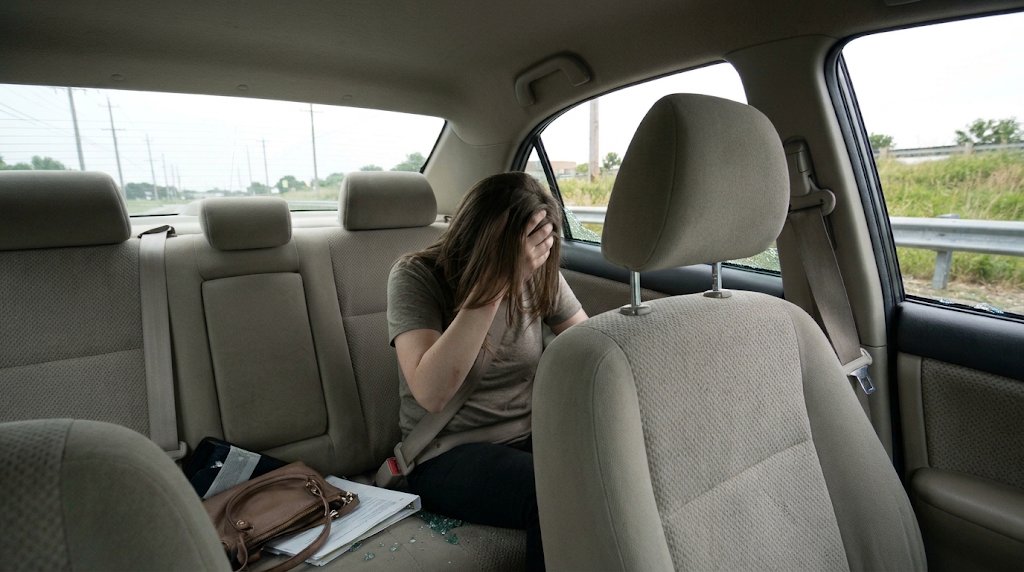
You were riding with a friend or family member when another vehicle struck the car. Now you’re facing medical appointments, insurance calls, and possibly missed work, even though you weren’t driving. Who pays your bills? What happens if the drivers blame each other? And can you seek compensation without creating conflict with someone you know?
At Rosenberg Hoffman, we help people injured in Hawaii car accidents, including passengers. Your options depend on the available insurance, the circumstances of the collision, and Hawaii law. Understanding the difference between no-fault benefits and a claim against a negligent driver is an important first step.
Passengers Have Rights Even When Fault Is Unclear
A passenger often has little control over how an accident happens. You may not have seen the traffic signal, another vehicle approaching, or the maneuver that caused the impact. You don’t need to guess about those details to start addressing your injuries.
Hawaii’s no-fault automobile insurance system provides Personal Injury Protection (PIP) benefits to eligible people injured in covered vehicle accidents. Qualifying benefits generally do not require you to prove which driver caused the crash.
A separate claim against a responsible driver is different. That claim may require proof of negligence, legally recognized losses, and satisfaction of Hawaii’s restrictions on certain automobile injury lawsuits. Receiving PIP benefits alone does not establish that you can sue another driver.
How PIP Coverage Works for an Injured Passenger
Hawaii requires PIP coverage with a minimum of $10,000 per person for qualifying medical and rehabilitation expenses. As the Hawaii Insurance Division explains, no-fault insurance can cover eligible passengers’ injuries regardless of who caused the accident.
For an injured passenger, the insurance covering the vehicle you occupied is often the starting point for investigating benefits. The correct source of payment depends on the vehicle, policy, and circumstances.
After seeking medical care, ask the driver for the vehicle’s insurance details. Contact the insurer to learn how to submit a passenger PIP claim, where medical providers should send bills, and which forms are required.
Keep copies of claims paperwork, bills, and benefit notices. If a medical provider sends a bill to your health insurer instead, ask whether it should be submitted through the automobile coverage. Don’t assume every expense will be paid automatically: eligibility, covered treatment, and policy terms still matter.
PIP generally addresses qualifying medical and rehabilitation expenses. Other benefits may depend on optional coverage. It is not the same as liability insurance, which may respond to damages a driver legally owes another person.
If bills begin arriving before the claim is processed, contact both the provider and the insurer. Ask whether the charges were received, what information is missing, and whether a coverage decision has been made. Keep written records rather than assuming an unpaid statement means the expense was denied.
Different Crashes Raise Different Insurance Questions
The coverage investigation can change depending on who was driving and how the collision occurred.
| Situation | What to investigate | Key question |
|---|---|---|
| Riding in a friend’s car | PIP on the occupied vehicle | How does the passenger submit a claim? |
| Riding with a relative | Vehicle PIP and potentially relevant other coverage | Which policy provisions apply? |
| Another driver hits your vehicle | PIP and possible liability coverage | Was the other driver negligent? |
| Both drivers contributed | PIP and potentially multiple liability claims | How is responsibility divided? |
| The occupied vehicle was uninsured | Other possible insurance or statutory options | Is another source of coverage available? |
These are possibilities to examine, not promises that a particular policy will pay. A passenger should avoid relying on assumptions about coverage based solely on who owns the car.
Fault Can Be Disputed Without Defeating Every Option
Drivers sometimes give competing explanations after a collision. One may say the other ran a red light; the other may allege speeding or an unsafe lane change. Insurers may review photographs, police reports, witness accounts, vehicle damage, and available video to determine what happened.
Tell an adjuster only what you personally observed. It’s reasonable to say you didn’t see a signal or cannot estimate speed. An accurate account is more useful than a confident guess.
Hawaii’s comparative negligence law, HRS §663-31, can affect recovery when multiple people contributed to an injury. A passenger’s claim may require evaluating the actions of both drivers rather than assuming only one was responsible. The specific allocation of fault depends on the evidence.
For example, if one driver made an unsafe turn while another was traveling too fast, both actions may need examination. A passenger who did not witness either maneuver should not be expected to resolve that dispute personally. The investigation should rely on available evidence, not loyalty to a particular driver.
Claims Involving Friends or Family Members
If the driver who caused the collision is someone close to you, making a claim may feel uncomfortable. You may worry about harming a relationship or asking that person to pay your expenses personally.
A claim may involve the driver’s liability insurance, but that does not mean there are no consequences for the insured driver. Policy limits, exclusions, and other effects can matter. It is better to understand those issues than to accept an assurance that insurance will simply take care of everything.
You can investigate your rights without exaggerating anyone’s conduct. We help passengers examine available coverage and legal options while keeping the facts, not personal pressure, at the center of the discussion.
Medical Expenses and Other Losses Need Documentation
Your injuries may require more than an emergency department visit. Follow-up care, imaging, medication, rehabilitation, and time away from work can create ongoing concerns. Some symptoms may also change as treatment progresses.
Preserve medical records, bills, receipts, and appointment summaries. Keep pay statements or employer communications showing missed work. Save insurance letters, explanations of benefits, and records of any disputed charges. Notes about how the injury affects ordinary activities may also be useful.
A separate claim may involve losses beyond those covered by PIP, but Hawaii limits certain automobile injury lawsuits. Under HRS §431:10C-306, exceptions include specified serious injuries and a monetary threshold involving at least $5,000 in qualifying PIP benefits incurred. That lawsuit threshold is different from the $10,000 minimum PIP coverage requirement.
Meeting an exception does not automatically prove negligence or determine compensation. An attorney can assess whether the evidence supports a separate claim and which losses may legally be recoverable.
Liability Limits and Additional Coverage
Insurance limits can matter when a passenger’s injuries are substantial. According to the Hawaii Insurance Division’s 2026 minimum-limits guidance, new and renewing Hawaii automobile policies effective January 1, 2026, must carry at least $40,000 per person and $80,000 per accident in bodily injury liability coverage.
Those limits are separate from PIP and do not establish what any individual claim is worth.
The policy actually in force on the accident date controls the relevant limits. Some drivers carry higher coverage. Depending on the facts and policy language, uninsured or underinsured motorist coverage may also warrant review. The state’s motor vehicle insurance information explains these additional coverage options.
If several people were injured, a per-accident liability limit can become especially important. Identifying potentially applicable policies before evaluating an offer may prevent a misunderstanding about what coverage is available.
Evidence Passengers Can Preserve
Even without access to the vehicle’s documents, you can help preserve evidence. If it is safe, photograph vehicle damage, the roadway, traffic controls, and the surrounding scene. Obtain the police report number and witness contact details when possible.
Write down where you were seated and what you remember before and after the impact. Preserve original photos and messages discussing the collision. Avoid filling memory gaps with details supplied by someone else.
Seek appropriate medical attention and describe symptoms accurately to your healthcare providers. Keep a dated log of insurance calls, documents submitted, and requested follow-ups. These records can help when the drivers’ accounts conflict or an insurer questions the connection between the crash and your treatment.
If you cannot take photographs because you are injured, prioritize medical care. You may be able to request available reports and collect other documentation later. Your health comes before gathering evidence at the scene.
Review Insurance Requests Before Signing
An adjuster may contact you soon after the crash. First establish which company the representative works for and whether the discussion concerns PIP benefits or a possible liability claim. The two processes can involve different questions.
Provide accurate information, but avoid predicting how quickly you will recover. If asked for a recorded statement or medical authorization, clarify its purpose and scope. Some paperwork may be necessary for claim processing; other documents can have broader effects.
Pay particular attention to settlement releases. Before accepting payment, understand which parties, injuries, and claims the agreement resolves. A release may affect your ability to seek additional compensation if treatment continues or new expenses arise. Also ask whether outstanding bills or reimbursement obligations could affect the amount you retain.
Speak With Our Hawaii Personal Injury Team
Not every passenger injury requires litigation. Legal guidance may be useful when injuries are significant, drivers dispute fault, coverage is unclear, or a settlement is offered before treatment is complete.
At Rosenberg Hoffman, our personal injury practice includes car accident claims involving passengers. We can review the collision, identify relevant insurance questions, and explain potential next steps. We offer free consultations through our Honolulu and Waipahu offices, including phone and video options.
If you were injured while riding in someone else’s vehicle, visit our contact page or call 808-470-4819 to discuss your circumstances.
This article provides general information and is not legal advice for any particular case. Please review our disclaimer.
