

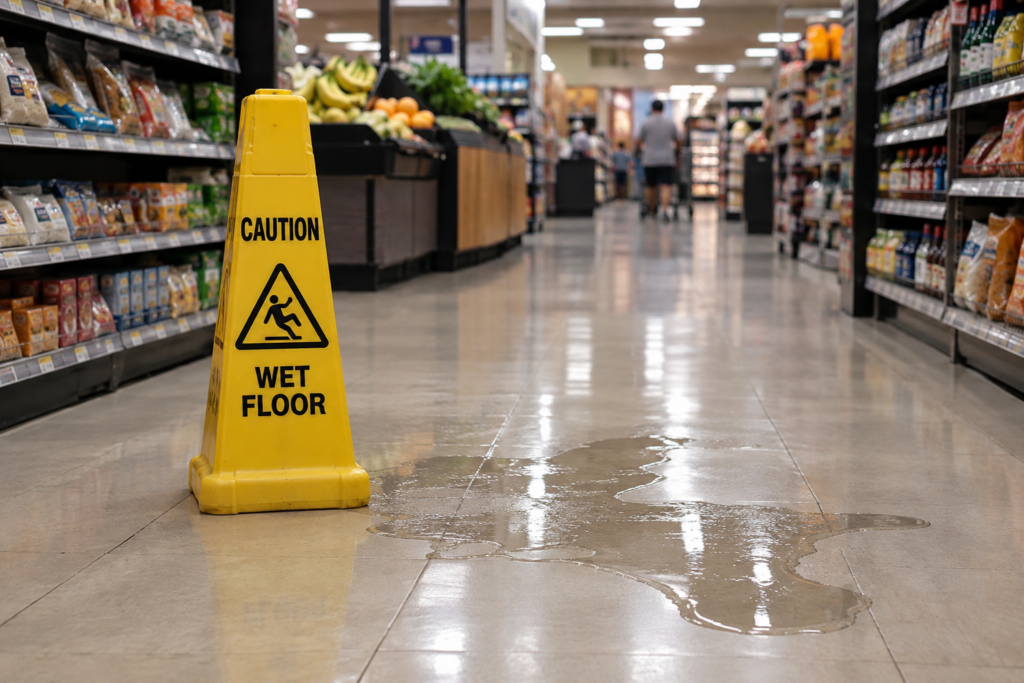
A routine trip to pick up groceries at a local supermarket or browse a retail store on Oahu can instantly turn dangerous when unaddressed hazards block your path. Slipping on a spilled liquid in the dairy aisle, tripping over an unboxed piece of inventory in a crowded walkway, or catching your foot on torn flooring can cause severe bone fractures, torn ligaments, or traumatic brain injuries. When an accident happens in a commercial retail setting, injured shoppers often assume the store is automatically responsible for their medical bills. Under Hawaii premises liability law, however, proving a successful claim requires meeting specific legal standards regarding notice.
At Rosenberg Hoffman, our Honolulu-based trial attorneys understand the frustration and financial stress that follow a preventable retail accident. Grocery stores, supermarkets, and large retail chains owe a high duty of care to maintain safe premises for shoppers. Holding these commercial entities accountable requires establishing that store management knew or should have known about the dangerous condition before you fell. Below is a detailed breakdown of how retail premises liability works in Hawaii, how attorneys prove notice, and why legal guidance is vital for your recovery.
The Legal Standard: What Is Premises Liability in Retail Stores?
Commercial store operators are not insurers of absolute safety, but they are legally obligated to keep their premises reasonably safe for customers and business invitees. When a hazard appears on a sales floor, the store must address it within a reasonable timeframe.
To win a slip-and-fall lawsuit under Hawaii law, your legal team must establish negligence by proving one of three core scenarios:
- The Store Created the Hazard: An employee or store owner directly caused the dangerous condition, such as leaving a mop bucket unattended around a blind corner or dropping loose produce on the floor.
- Actual Notice: A store manager or employee actually saw the hazard (such as a liquid spill reported by another customer) but failed to clean it up or place warning cones before you slipped.
- Constructive Notice: The hazard existed for a long enough period of time that a reasonably prudent store employee should have discovered and corrected it during routine inspections.
Proving constructive notice often hinges on circumstantial evidence, store surveillance footage, and employee inspection logs. You can review our core background by visiting our firm overview page.
How We Prove Constructive Notice in Hawaii Supermarkets
Supermarket defense lawyers and corporate insurance adjusters frequently deny liability by arguing that the spill or hazard “just happened” seconds before the customer walked by. Overcoming this defense requires aggressive investigative work to uncover how long the dangerous condition sat unaddressed.
Methods our firm uses to establish constructive notice include:
- Security Camera Footage: Requesting and analyzing store CCTV recordings to track foot traffic, employee walk-by frequency, and the exact duration the hazard remained on the floor.
- Employee Sweep Logs: Examining store maintenance schedules and cleanup logs to determine if staff members skipped mandatory hourly floor inspections.
- Condition of the Debris: Evaluating the physical state of the spilled substance or dropped item. A puddle of liquid that has footprints tracked through it, accumulated dust, or cart tracks running across it indicates it has been sitting on the floor for an extended period.
- Witness Testimony: Interviewing other shoppers or employees who observed the hazard prior to your fall.
Having an experienced local legal team ensures these critical pieces of evidence are formally preserved before corporate entities can erase or overwrite them.
What You Can Recover: Seeking Full Financial Compensation
Severe slips and falls in retail settings frequently cause debilitating injuries that require extensive medical intervention. Hawaii law allows injured victims to pursue comprehensive financial recovery across multiple categories of damages.
Economic damages cover every measurable out-of-pocket loss caused by the accident, including emergency room treatment at local hospitals, diagnostic X-rays or MRIs, orthopedic surgeries, physical therapy sessions, assistive medical devices, and lost wages from missed work. If your injuries result in long-term disability or reduced earning capacity, those future economic losses are fully recoverable. Non-economic damages compensate for physical pain and suffering, emotional distress, and the loss of enjoyment of daily life. You can read our detailed guide on what compensation you can recover for a Hawaii personal injury case to understand how financial damages are calculated.
Immediate Steps After a Slip and Fall in a Retail Store
The actions you take immediately following a fall inside a supermarket or retail store heavily influence your ability to prove notice and establish liability.
| Immediate Action | Purpose and Legal Protection |
|---|---|
| Report the Incident to Management | Notify store managers immediately and insist on filing a formal incident report. Request a copy for your records. |
| Capture Photographic Evidence | Use your smartphone to photograph the hazard, surrounding aisle signs, floor conditions, and your injuries from multiple angles. |
| Secure Witness Contact Information | Obtain names and phone numbers of any shoppers who witnessed the fall or saw the hazard before you slipped. |
Do not sign corporate liability waivers, give recorded statements to retail adjusters, or accept gift cards as compensation without legal counsel. You can reach out directly via our contact page or call us at 808-470-4819 for immediate guidance.
Hawaii Statute of Limitations for Retail Injury Claims
Time is a strict constraint when pursuing a premises liability claim against a major supermarket chain or corporate retailer. Under Hawaii Revised Statutes Section 657-7, the general statute of limitations for filing a personal injury lawsuit is two years from the exact date of the slip and fall.
Failing to file a civil claim within this two-year window permanently bars you from seeking financial recovery. Furthermore, retail corporations rarely preserve security footage beyond 30 to 60 days unless compelled by formal legal preservation letters. Acting promptly ensures evidence of constructive notice is locked down.
Protect Your Rights: Contact Rosenberg Hoffman Today
If you or a loved one suffered a serious slip and fall injury in an Oahu supermarket or retail store, do not let corporate insurers deny your claim or minimize your suffering. At Rosenberg Hoffman, our Honolulu-based personal injury lawyers have represented injured individuals across the Hawaiian islands since 1995. We take over all direct communication, investigate store safety records, and build unyielding legal claims to secure your financial future.
Call 808-470-4819 or visit our contact page to schedule a free, 100% confidential consultation today.
