

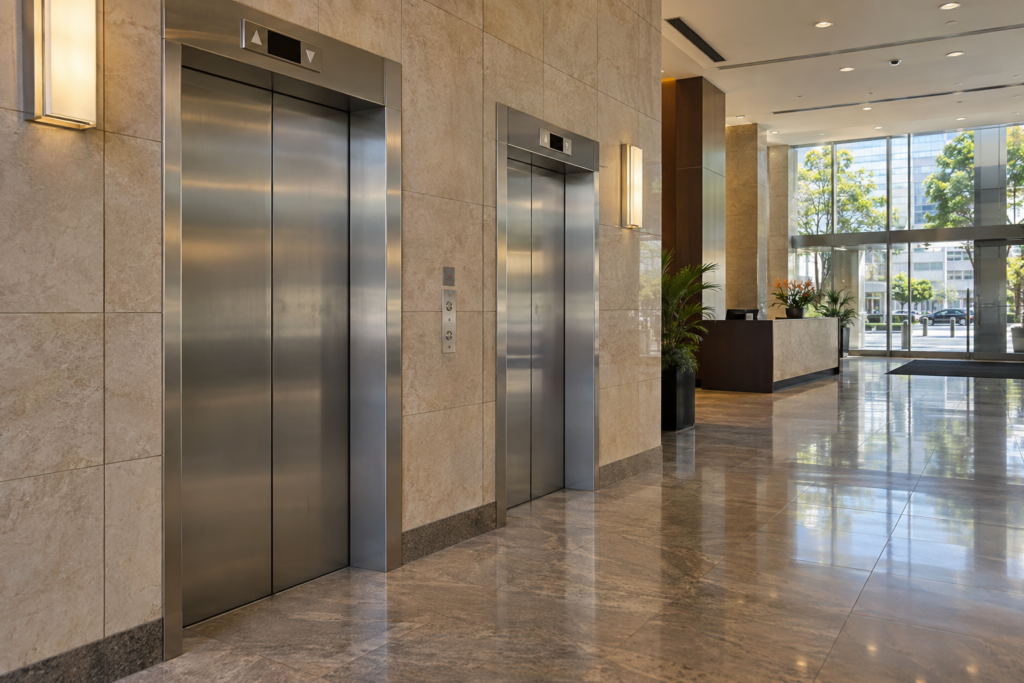
High-rise hotels, office towers, shopping complexes, and residential condominiums define the urban landscape of Honolulu and Oahu. Elevators and escalators move thousands of residents, workers, and tourists vertically every single day. While we trust these mechanical systems to operate safely, sudden malfunctions can lead to terrifying accidents. From elevator cars misleveling with the floor and causing violent trips to sudden drops, abrupt stops, or escalator step collapses, mechanical failures frequently result in severe trauma, broken bones, and traumatic brain injuries.
At Rosenberg Hoffman, our Honolulu-based trial attorneys understand the complex legal frameworks governing vertical transportation injuries. When property owners, building managers, or third-party maintenance contractors neglect their safety duties, innocent people pay the price. Below is a detailed look at how premises liability and product liability intersect in elevator and escalator accident claims, who can be held responsible, and how we secure full financial recovery for injured victims.
Understanding Liability: Property Owners Versus Maintenance Contractors
Elevator and escalator accident claims are notoriously complex because multiple corporate entities share control over the equipment. Commercial buildings typically purchase or lease elevators from third-party manufacturers and then contract out ongoing safety inspections, servicing, and repairs to specialized elevator companies.
When a malfunction causes an injury, determining responsibility requires examining two primary legal layers:
- Property Owner and Landlord Duty: Building owners and commercial landlords carry a non-delegable duty of care to ensure that all common-area passenger conveyances are safe for invitees. Even if an outside maintenance firm handles the hardware, the property owner remains legally responsible for maintaining safe premises and responding promptly to known equipment failures.
- Third-Party Maintenance Contractor Negligence: Most elevators and escalators operate under ongoing service contracts. If a technician fails to catch worn-out components, improperly adjusts braking mechanisms, ignores recurring error codes, or fails to rope off a malfunctioning unit, the maintenance company shares direct liability for resulting injuries.
Establishing liability requires securing and analyzing maintenance logs, service work orders, and state inspection permits. You can review our foundational advocacy by visiting our firm overview page.
Common Types of Elevator and Escalator Malfunctions
Mechanical failures take many forms, each presenting distinct physical hazards to passengers trapped inside or riding between floors:
- Elevator Misleveling: When an elevator car stops several inches above or below the floor landing, unsuspecting passengers stepping out trip violently, suffering severe knee, hip, and facial fractures.
- Sudden Free-Falls and Abrupt Stops: Mechanical brake failures or control system glitches can cause an elevator car to drop rapidly before emergency safety brakes engage with jarring force, causing compression fractures and whiplash.
- Door Strike Injuries: Faulty electronic motion sensors or malfunctioning door edge safety edges can cause heavy elevator doors to slam shut on passengers, knocking them down or crushing limbs.
- Escalator Step Collapses and Entrapments: Missing teeth on metal treads, broken comb plates, or sudden reversals can cause riders to fall down stair cascades or trap shoes and clothing in moving gaps.
When commercial operators or service providers cut corners on safety maintenance to save operational costs, catastrophic injuries occur. Our trial attorneys meticulously subpoena service histories to uncover whether the malfunction was preventable.
What You Can Recover: Comprehensive Financial Compensation
Severe elevator and escalator accidents frequently result in debilitating injuries that require extensive medical intervention, orthopedic surgeries, and prolonged physical therapy. Hawaii law allows injured victims to pursue full financial recovery across two primary categories of damages:
- Economic Damages: Every measurable monetary loss resulting from the accident. This includes emergency medical transport, emergency room stabilization, surgical procedures, ongoing physical therapy, assistive medical equipment, and lost wages if your injuries prevent you from working.
- Non-Economic Damages: Compensation for intangible losses such as physical pain and suffering, emotional distress, trauma, permanent physical impairment, and the loss of enjoyment of life.
You can read our detailed guide on what compensation you can recover for a Hawaii personal injury case to explore how financial damages are calculated under local law.
Immediate Steps After an Elevator or Escalator Accident
The actions taken immediately following a mechanical failure in a commercial building are critical for preserving evidence and protecting your legal rights.
| Immediate Action | Purpose and Legal Protection |
|---|---|
| Seek Immediate Medical Care | Visit an emergency room or urgent care clinic on Oahu right away to treat injuries and generate formal medical documentation. |
| Report the Incident to Management | Notify building management or security immediately and insist on filing a formal incident report with the exact unit number. |
| Capture Photographic Evidence | Photograph the misleveling gap, broken doors, warning signs, and your injuries before building staff alter the scene. |
Avoid signing liability waivers or giving recorded statements to building insurers or corporate adjusters. You can reach out directly via our contact page or call us at 808-470-4819 for immediate guidance.
Hawaii Statute of Limitations for Elevator and Escalator Claims
Time is a strict legal constraint when pursuing a personal injury claim against a commercial property owner or elevator service company in Hawaii. Under Hawaii Revised Statutes Section 657-7, the general statute of limitations for filing a personal injury lawsuit is two years from the exact date of the incident. Furthermore, building security camera footage and elevator digital error logs are frequently overwritten quickly unless formal legal preservation notices are issued. Prompt legal action ensures that maintenance records and safety permits are locked down.
Protect Your Rights: Contact Rosenberg Hoffman Today
If you or a loved one suffered a severe injury due to an elevator malfunction, escalator failure, or dangerous building condition on Oahu, do not let corporate building owners evade accountability. At Rosenberg Hoffman, our Honolulu-based personal injury lawyers have represented injured clients across the Hawaiian islands since 1995. We handle all direct communications, investigate maintenance records, and build unyielding legal claims to secure your future.
Call 808-470-4819 or visit our contact page to schedule a free, 100% confidential consultation today.
