

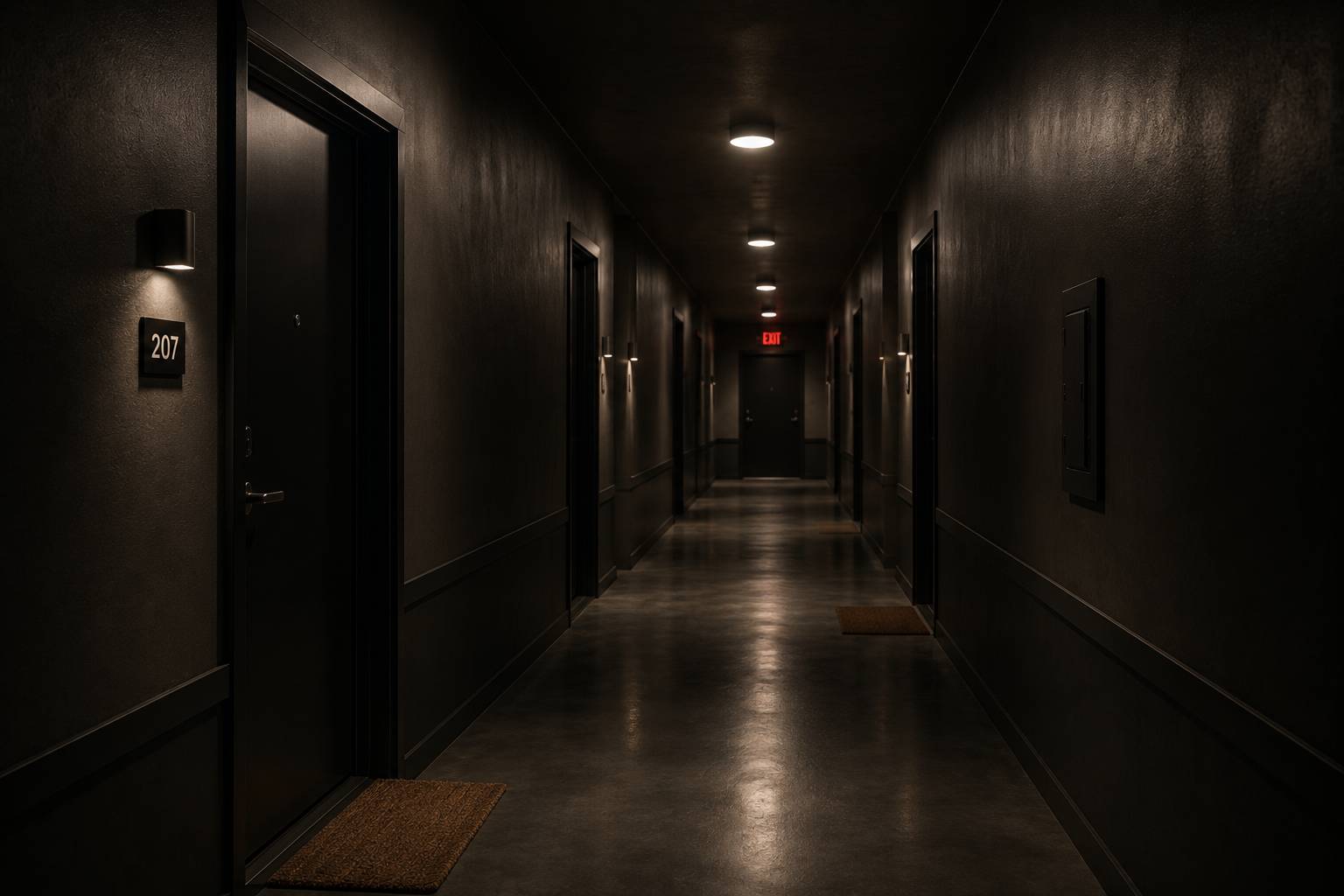
Waipahu is home to many multi-family residential communities, high-rise complexes, and densely built apartment neighborhoods. For residents and visitors navigating these rental properties day in and day out, safely walking through common areas, open parking structures, and exterior stairwells should be an absolute guarantee. Unfortunately, many older or poorly maintained residential properties across Waipahu harbor severe structural defects. Broken light fixtures, unlit walkways, and sudden drops in elevation without proper protective railings regularly turn routine evening walks into life-altering catastrophes.
If you or a family member has suffered a severe physical injury from a trip or fall at a local apartment building, the physical consequences can be devastating. Broken bones, traumatic head injuries, spinal damage, and severe joint fractures frequently result from falling in low-light environments. This happens because a victim cannot see the physical danger coming in the dark and has zero opportunity to brace for the impact.
When you seek accountability for these structural failures, property managers and corporate landlords will often claim they had no idea the light bulb was out, or they will try to blame you for not using your smartphone flashlight to guide your steps. Under Hawaii premises liability law, landlords cannot escape blame through simple excuses. If a property owner, landlord, or management company fails to fix hazardous structural conditions, they can be held civilly and financially responsible for your losses.
The Legal Duty: What Waipahu Landlords Owe Residents and Guests
Under longstanding Hawaii case law and premises liability principles, owners and managers of residential apartment buildings owe a strict duty of care to all lawful visitors. This legal protection extends to tenants, their families, delivery drivers, postal workers, and social guests. Landlords must take proactive, reasonable steps to ensure common spaces remain completely safe for public use. This means routinely inspecting the grounds, fixing structural hazards, and providing adequate warning signs or bright lighting in dark areas.
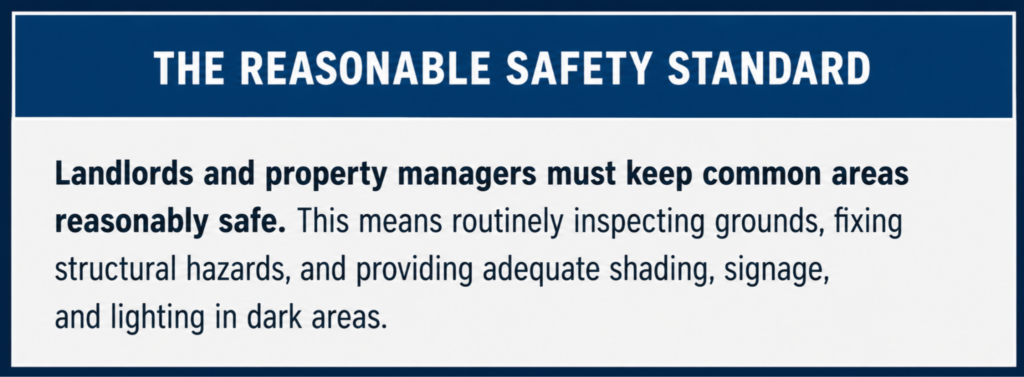
Common spaces include open parking lots, shared laundry rooms, mail clusters, courtyards, and outdoor staircases. To win a premises liability case in Hawaii, your legal team must establish four core elements:
- Duty of Care: The landlord or management firm had a legal obligation to keep that specific part of the property safe for you.
- Breach of Duty: They failed to fix a dangerous condition or provide adequate warning signs about the risk.
- Causation: The unsafe condition—such as a dark walkway or missing railing—directly caused your trip, scramble, or fall.
- Damages: You suffered real losses, including medical bills, lost wages, and physical pain.
Common Structural and Lighting Hazards in Multi-Family Housing
In dense rental environments like Waipahu, specific maintenance failures frequently lead to catastrophic injury claims. The building codes enforced by the City and County of Honolulu Department of Planning and Permitting outline clear requirements for property upkeep, lighting minimums, and structural handrails to prevent accidents. When evaluating an accident scene, our firm focuses on identifying these key hazards:
1. Inadequate and Defective Exterior Lighting
Landlords often try to save money by delaying repairs on burned-out security bulbs or failing to install sufficient lighting along outdoor walkways. When stairwells, dark parking garages, or pathways are left pitch black, residents cannot spot cracks, debris, or changes in floor levels.
2. Hidden Drops and Unguarded Retaining Walls
Many local apartment properties feature tiered courtyards or retaining walls to handle sloped island terrain. If a property has a drop-off of several feet next to a common walkway, it must be protected by a secure guardrail or fence. A sudden drop in the dark acts as a dangerous trap for unsuspecting walkers.
3. Broken Steps and Loose Stairwell Railings
Staircases are high-risk zones. If a concrete step crumbles or a wooden handrail gives way when you lean on it, a fall is almost unavoidable. Property managers are required to regularly check these high-use structures to ensure they are physically sound and meet modern safety standards.
The Legal Rule of “Notice”: Proving the Landlord Knew About the Danger
One of the most heavily litigated aspects of a Hawaii premises liability lawsuit is proving Notice. A landlord will almost always argue they are not liable because they did not know the light bulb was broken or that the railing was loose. To defeat this defense, our trial lawyers establish fault using two specific legal methods:
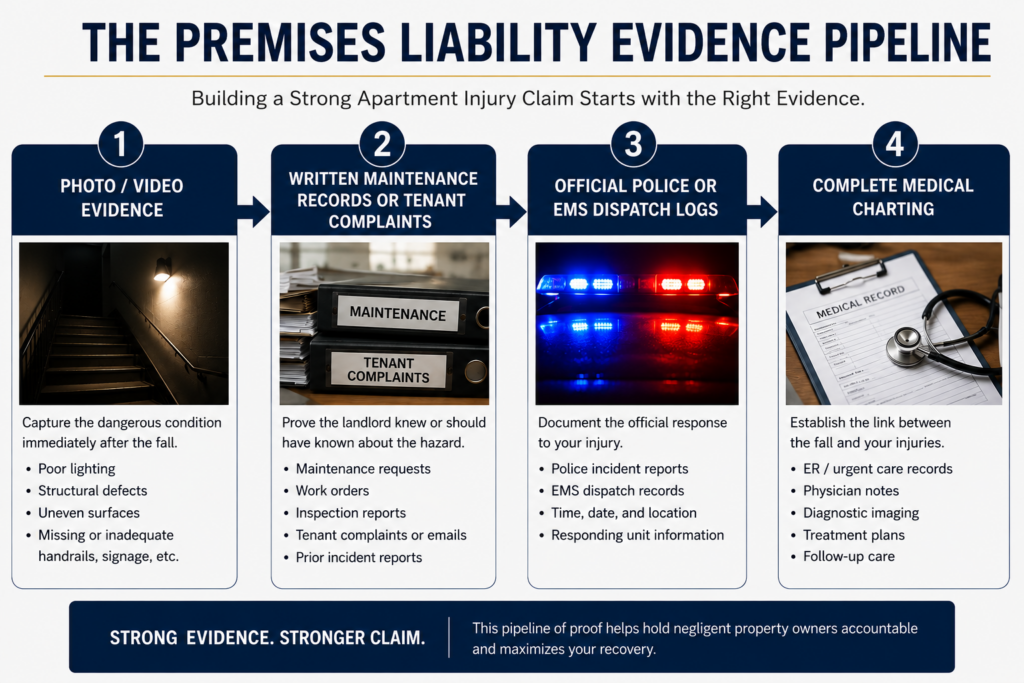
- Actual Notice: We prove the landlord had direct knowledge of the hazard before your accident. We do this by subpoenaing internal email threads, text messages, tenant maintenance portals, or written complaints showing that residents had already reported the dangerous area.
- Constructive Notice: If there are no written records, we show that the hazard existed for such a long time that a reasonable landlord using routine property inspections should have found and fixed it. For example, if rust or wood rot on a staircase took months to develop, the law states the landlord should have known about it.
Quick Reference: Legal Outcomes vs. Landlord Defenses
| Hazardous Apartment Condition | Common Property Management Defense | Real Hawaii Civil Legal Status |
|---|---|---|
| Pitch-black outdoor courtyard walkway | “The tenant should have used their phone light.” | Management Liable: A visitor’s personal items do not clear a landlord’s statutory duty to provide safe common areas. |
| Rotted handrail that snaps on a stairwell | “We didn’t know the wood underneath was rotting.” | Management Liable: Constructive notice applies if regular structural inspections would have revealed the decay. |
| Sudden yard drop-off with no warning sign | “The guest was cutting across the grass lawn.” | Shared Fault Evaluation: Handled under 51% comparative negligence rules; may reduce the final payout but does not cancel it. |
Overcoming the Shared Fault Defense Strategy
When a tenant or guest files an injury claim against a landlord’s commercial property policy, the insurance company will aggressively utilize Haw. Rev. Stat. § 663-31, Hawaii’s 51% Modified Comparative Negligence Rule. The insurer will claim you were distracted, wearing improper shoes, or running in the dark to pin the blame on you. If they can successfully argue you were 51% or more at fault, they do not have to pay a single dollar for your injuries.
To protect your case, our legal team moves quickly to gather objective evidence. We visit the accident scene at the exact time of night the injury occurred to measure lighting levels with specialized lux meters, take high-definition photos of the hidden drop-offs, and interview neighboring tenants to establish a long-standing history of poor maintenance.
Unlike auto accident claims, premises liability cases bypass the initial no-fault auto limits, allowing you to seek direct compensation for your total medical expenses, lost wages, and overall quality-of-life losses. For a deeper breakdown of how these final settlement calculations work, read our dedicated overview on What Compensation Can You Recover for a Hawaii Personal Injury Case?.
Real Trust: Persistent Representation Grounded in Aloha
Challenging powerful property management groups and out-maneuvering corporate insurance defense networks requires an experienced local trial team. You can view our long history of managing complex injury actions on our Case Results section. Here is how our attorneys fight for the rights of injured individuals:
“No one took the time to take my daughter’s case. McKay was persistent and was able to get a settlement for my daughter… thank you all for your hard work and persistence. Justice is served.”
— Alvin J., Verified Google Review via Attorney at Law
Hold Negligent Landlords Accountable: Contact Rosenberg Hoffman
If you are recovering from a severe fall caused by a dark walkway or an un-railed drop-off at a Waipahu residential property, do not let a property manager minimize your injuries. Corporate risk adjusters will often try to delay your claim or offer a small, quick payment before the true lifelong costs of your medical treatment are fully clear.
At Rosenberg Hoffman, our Honolulu-based personal injury lawyers have been fighting for the rights of local residents and injured commuters since 1995. We handle all communications with the insurance companies, secure property maintenance logs, track down code violations, and build a powerful case to protect your family’s future.
We provide dedicated representation across a comprehensive range of local personal injury practice areas. Whether your case involves a complex apartment Slip/Trip-and-Fall Injury, a severe multi-vehicle collision under Car Accidents, or a catastrophic crash caused by reckless Drunk Drivers, our trial lawyers know how to win.
We protect vulnerable road users in heavy commercial Truck Accidents, two-wheeled Motorcycle Accidents, and transit claims involving Moped, Bicycle, and Pedestrian Accidents. For active-duty service members and visitors, we offer specialized guidance for Tourist and Military Injuries. If your injury involved an unleased animal, we handle Dog Bites and Attacks. In the most heartbreaking circumstances, we stand firmly beside families to seek accountability through Wrongful Death actions.
When you choose our firm, you deal directly with your dedicated trial attorney from start to finish, never an assistant. We handle all personal injury litigation on a strict contingency-fee basis—you pay absolutely nothing upfront, and we collect zero legal fees unless we win your financial settlement.
Call 808-470-4819 or visit https://rhlawhi.com/contact/ to schedule a free, 100% confidential case evaluation.
